Nour Ali Elahi
Tanbur player, musician and researcher
1895–1974Life and education
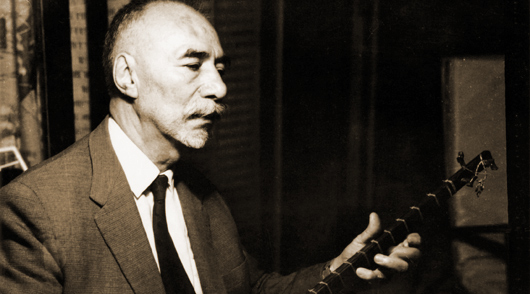
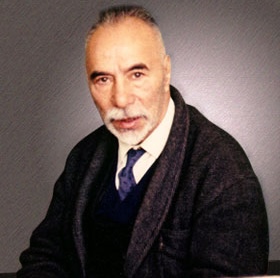
Nour Ali Elahi, also known as Ostad (“Master”) Elahi, was born on 11 September 1895 in the village of Jeyhunabad in Sahneh County and died in Tehran on 19 October 1974. A musician and researcher, he learned the tanbur from his father, and besides the tanbur he mastered several other instruments, including the ney (end-blown reed flute), the daf (frame drum), the divan (a large saz), the Turkish tanbur and the setar (a small Persian lute).
His place in the history of the tanbur
Perhaps Nour Ali Elahi’s most important contribution to the history of the tanbur lies in his original and creative improvisations, a way of playing that was entirely uncommon among tanbur players of his time. Artists and music scholars such as Maurice Béjart, Yehudi Menuhin, Mousa Maroufi and Jean During regarded him as a great musician and a master of the tanbur.
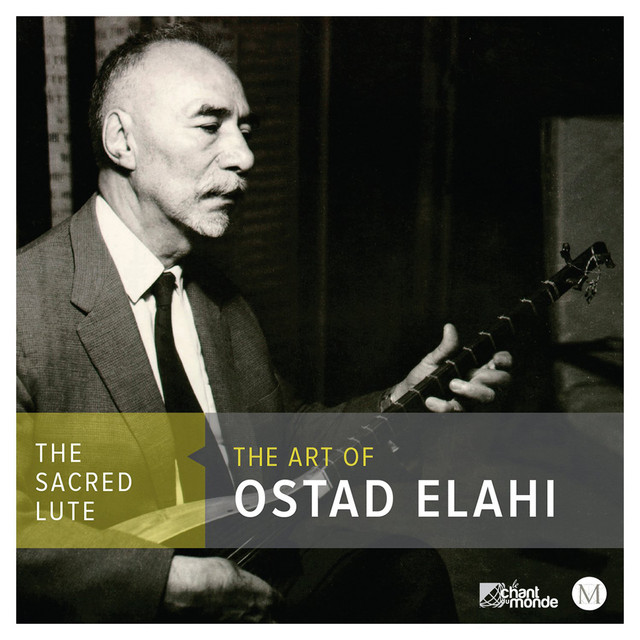
Elahi also made important changes to the instrument itself. By adding a third string he gave the tanbur many new and expressive sounds and colours, which he combined with his own distinctive ornamentation and his unique technique of using all five fingers of both hands. In 2014 the Metropolitan Museum of Art in New York held an exhibition on his work, The Sacred Lute: The Art of Ostad Elahi.
Works
Tanbur Solo (“Spiritual Dances”)
Tanbur Solo 1 & 2
Bidari (“Awakening”)
Celestial Harmonies and Mystical Supplication
Dialogue with the Celestial Beloved
Shor
Music
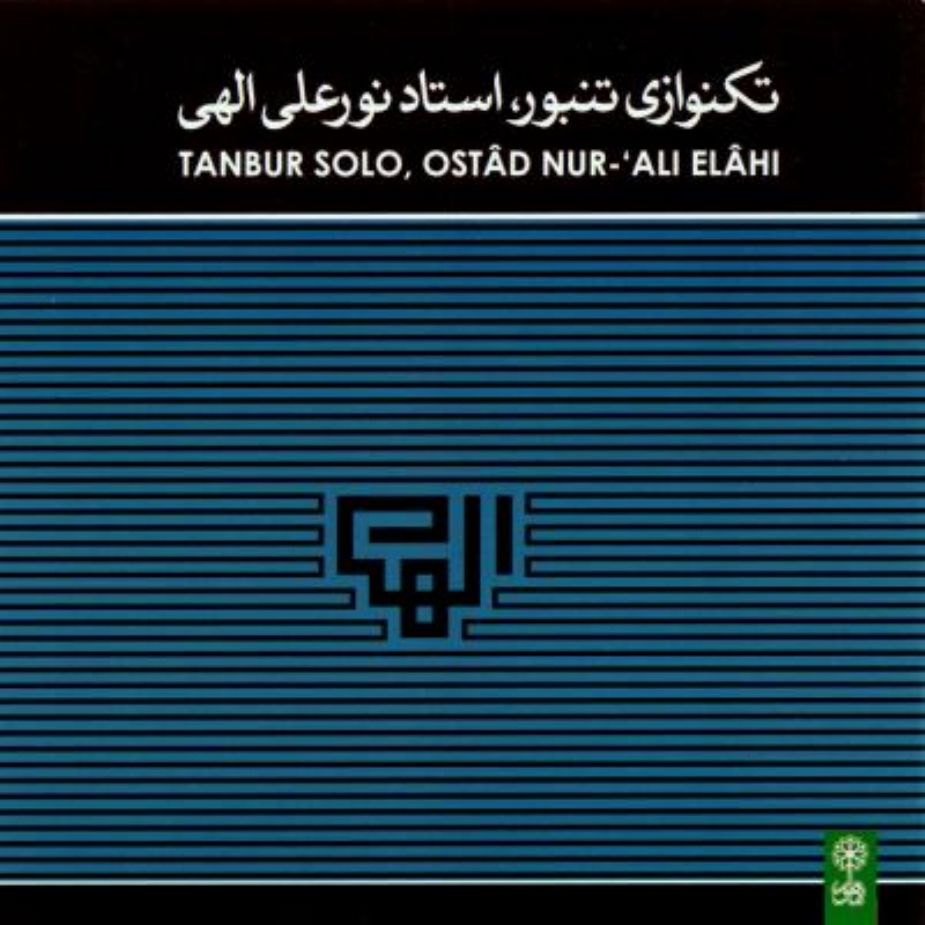 Tanbur Solo 1Artist
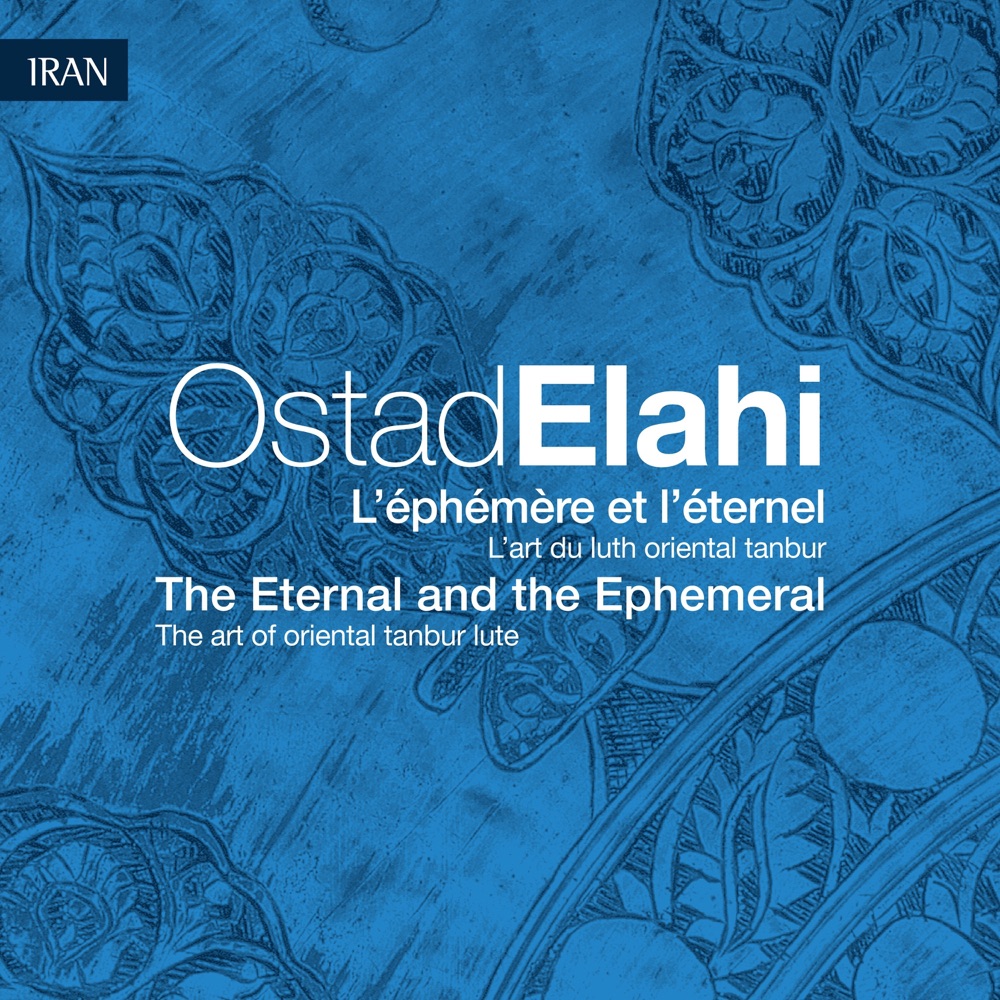 Tanbur Solo 10: The Eternal and the EphemeralArtist
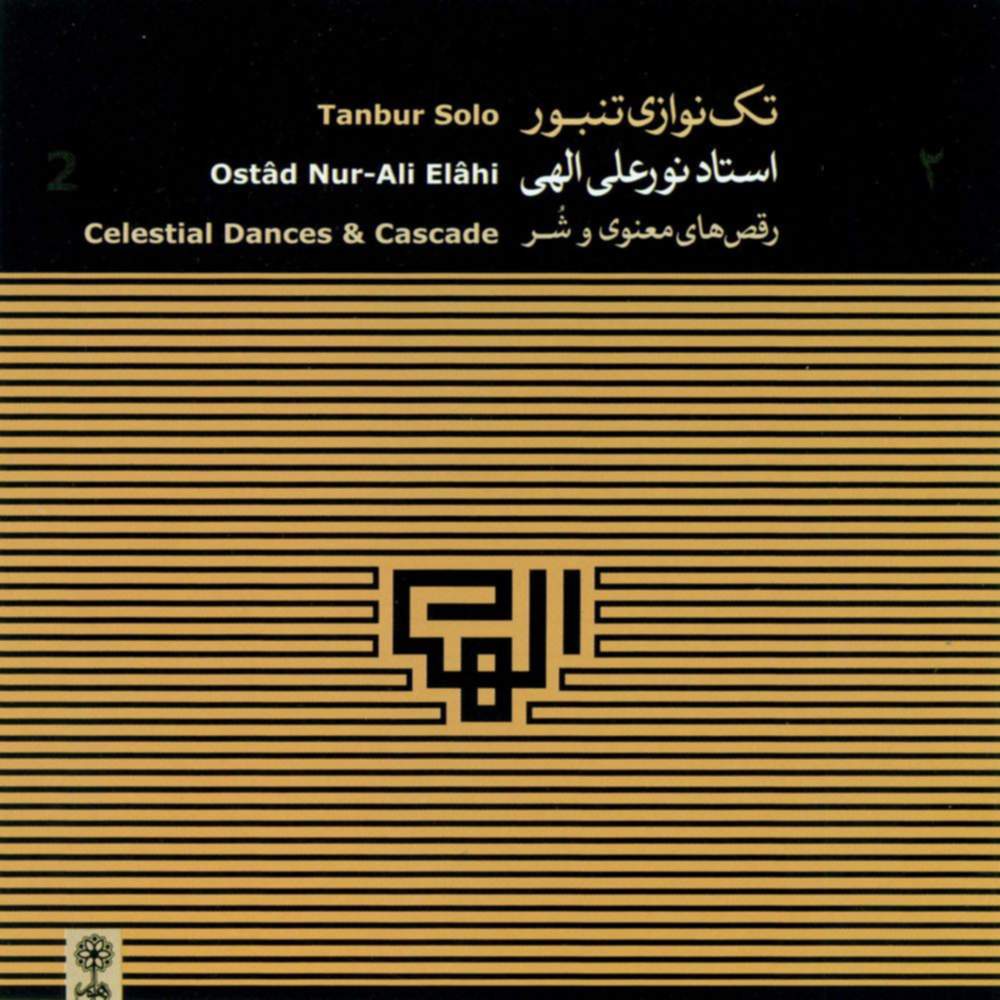 Tanbur Solo 2: Spiritual Dances & ShorArtist
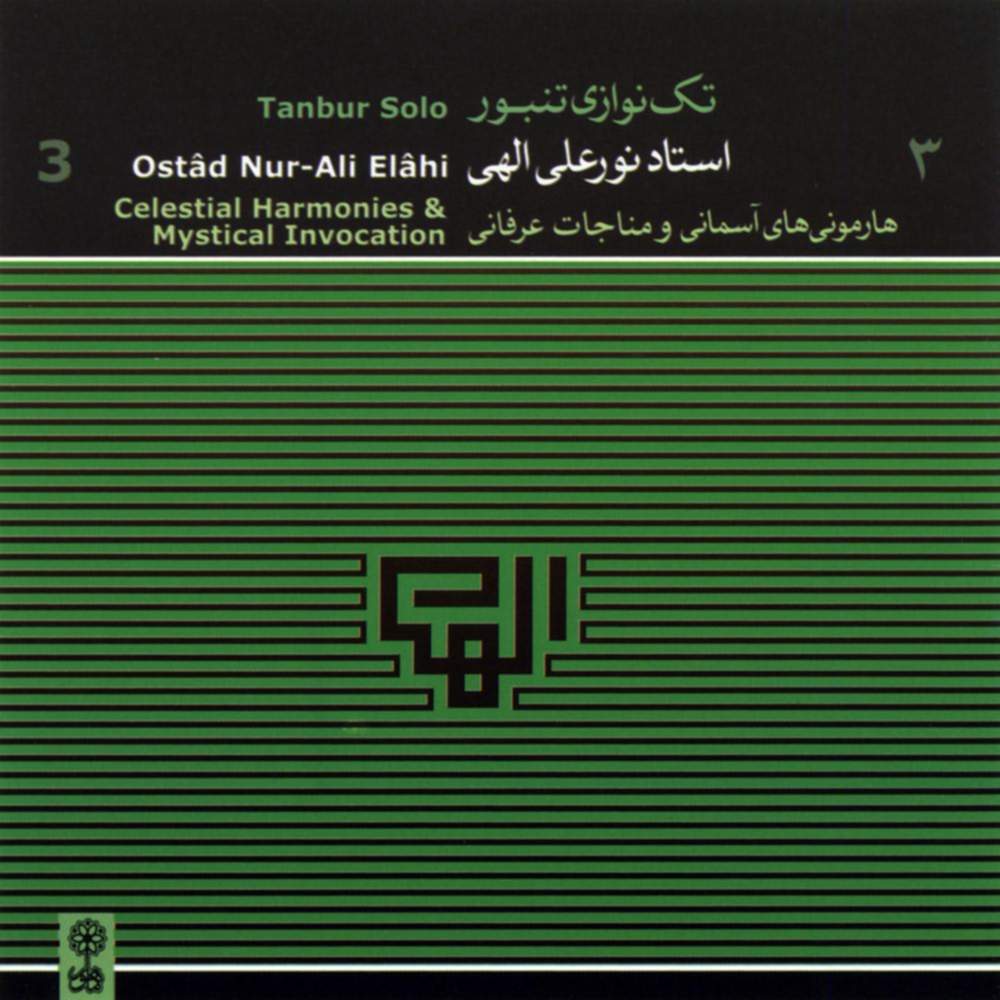 Tanbur Solo 3: Celestial Harmonies & Mystical OrisonArtist
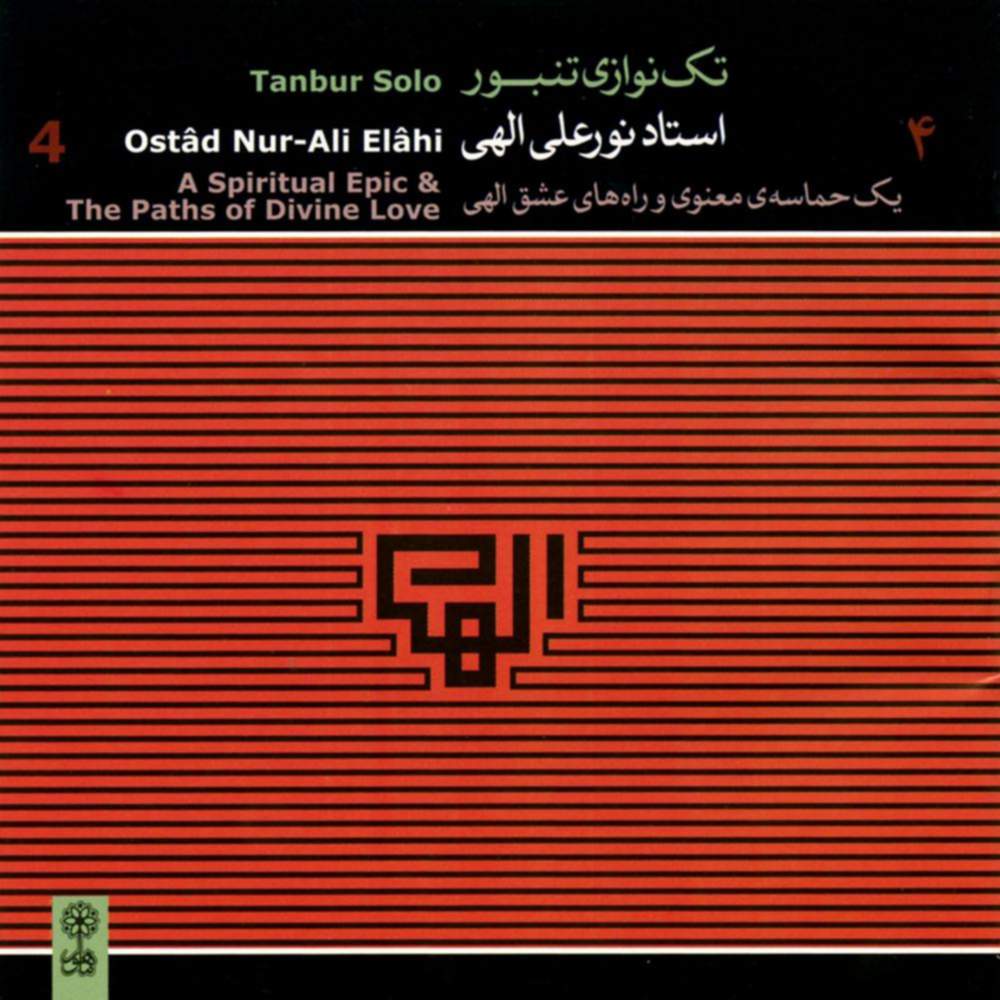 Tanbur Solo 4: A Spiritual Epic & The Path of Divine LoveArtist
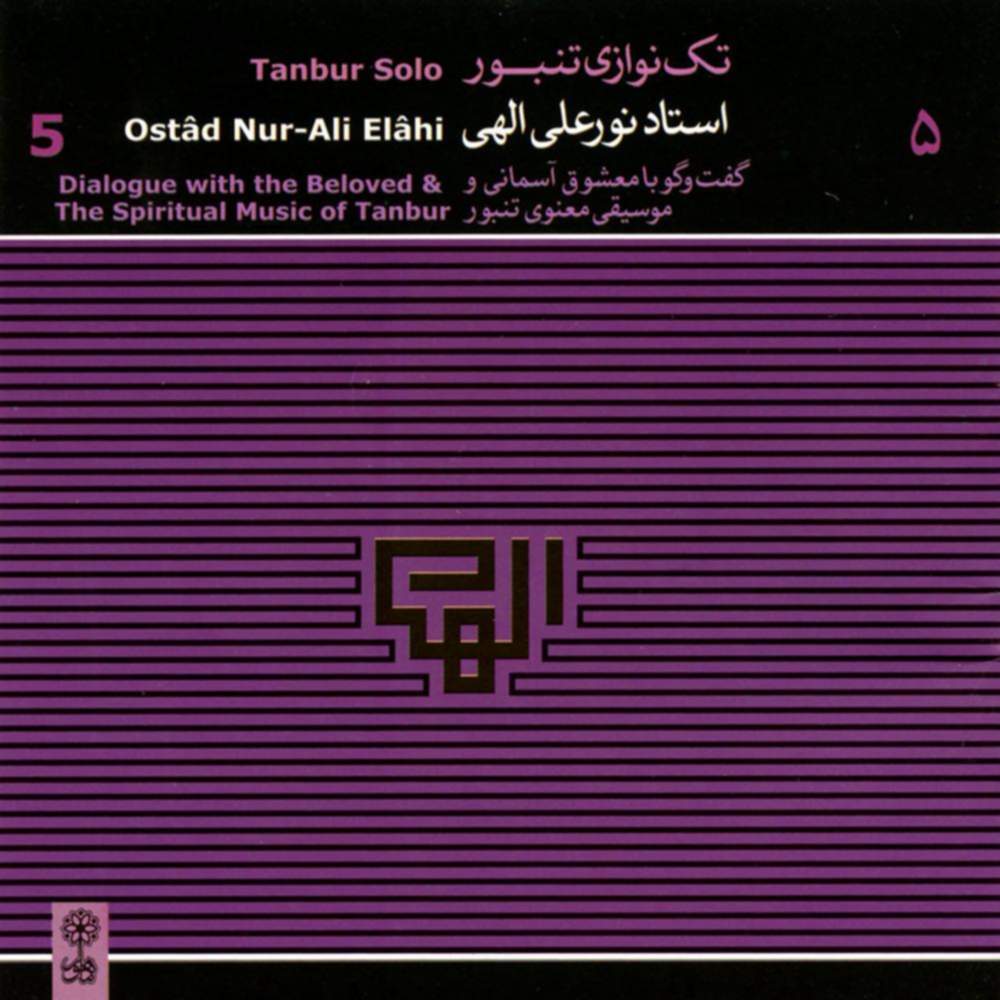 Tanbur Solo 5: Dialogue with the Beloved & Spiritual Music of the TanburArtist