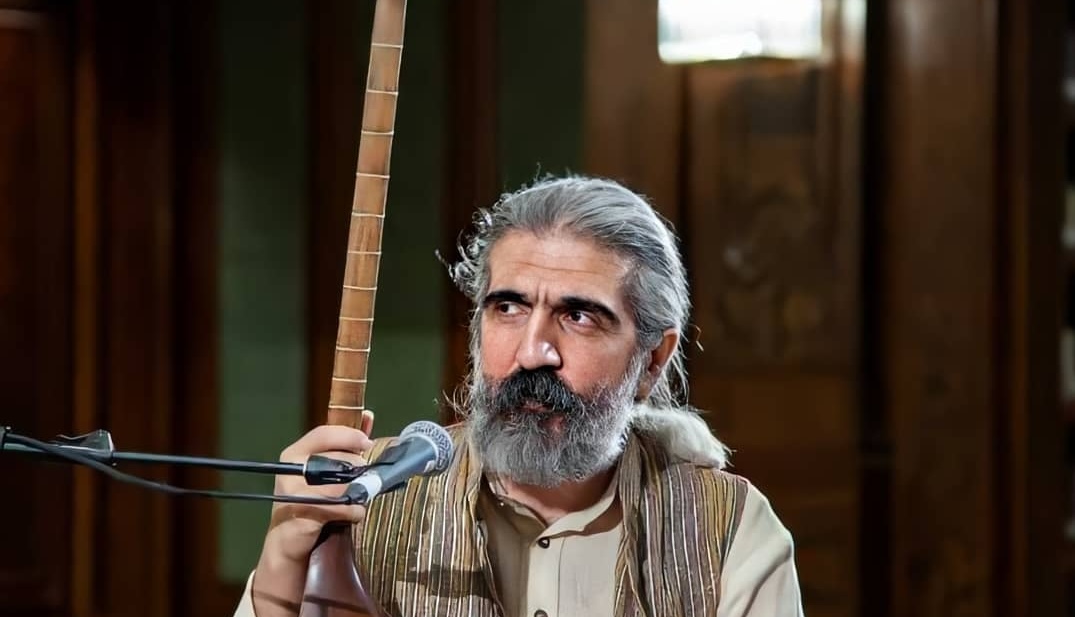
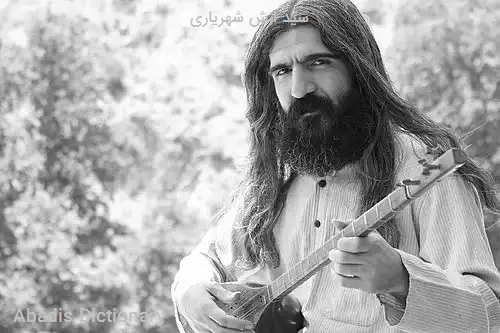
Seyed Arash Shahriari
Composer and tanbur player
Seyed Arash Shahriari began learning the tanbur at the age of five with his father, Seyed Rokneddin Shahriari. His grandfather had also played this instrument. He went on to learn from eminent masters and experts in the maqams (the traditional melodic pieces of the tanbur repertoire) such as Seyed Ghasem Afzali, Seyed Amrollah Shahebrahimi, Baba Gholam Hemmatabadi and Shafi Khaledi Kimenei, and through long practice and extensive research he gained a deep knowledge of the maqams and techniques of the tanbur.
Besides maqam music, Shahriari has also drawn on the knowledge of eminent musicians of Iran’s dastgah music (the classical system of modes), including Seyed Morteza Molaei in singing, Ali Mohammad Khan Khazaei on the tar (a long-necked lute), and renowned masters such as Mohammad Reza Lotfi and Dariush Talai on the tar and setar (a smaller long-necked lute). Today he is known as a performer, maqam expert, master of the radif (the core repertoire of Iran’s classical music) and composer.
In 1999 Seyed Arash Shahriari founded the Ruhtaf Ensemble, and with this group, as well as in solo performances, he has given numerous concerts in Iran and in various other countries. The fruit of his years of experience and research is a personal and coherent interpretation of the different styles of tanbur playing in the Guran and Sahneh schools. In performing the instrumental and vocal maqams of the tanbur, Shahriari has arrived at an original and personal style while remaining faithful to tradition, and this is regarded as the distinctive feature of his work.
In the field of dastgah music, too, his command of the old styles of tar playing and his knowledge of the principles of iqa (musical metre) in Iran’s early music have led him to a new language of composition, a language that forges a deep connection between maqam music and dastgah music.
Seyed Arash Shahriari has presented Iranian music at numerous international festivals and events, including:
participation in the spring festival of UCLA in the United States (2009) and in the Folk Music project devoted to Iran’s dastgah and maqam music,
an appearance at the Joinville Festival of Sacred Music in France (2009) with the ensemble “Nava-ye Zohreh” (“The Song of Venus”), which he directed and composed for,
a performance and two workshops on tanbur music and dastgah music at the Rondalla Festival in the Philippines (2011),
participation in the International Conference on Indo-European Songs at the Tchaikovsky Conservatory in Moscow (2013),
and a performance of maqam and dastgah music at the 4020 Festival in Linz, Austria (2018).
Shahriari has trained many students in the maqam music of the tanbur and in Iranian dastgah music (tar and setar), and is recognised as a master in these fields.
One of his innovations is the design of the chahartar (“four strings”), an instrument that has been used in performing works attributed to Abd al-Qadir Maraghi.
Among Seyed Arash Shahriari’s published works are the albums Marsiyeh-ye Aftab (“Elegy for the Sun”) and Mashgh-e Nam-e Leyli (“Writing Out Leyli’s Name”). His other work includes the music for the film Chigh (“The Reed Screen”), directed by Mohammad Reza Aslani, and the two music videos Meymand and Soltaniyeh.
He collaborated with Mohammad Reza Darvishi on composing and performing parts of the music for the films Atash-e Sabz (“Green Fire”; the songs Bineshan, “Traceless”, and Sahari Moshtagh, “Yearning at Dawn”) and Ghali-ye Sokhangu (“The Talking Carpet”), for the stage play Shab-e Hezar-o-Yek Mu (“The Night of a Thousand and One Hairs”) and for the project Shoghnameh (“The Book of Longing”; works of Abd al-Qadir Maraghi).
Music
 Interpretation of Maqam Baya Baya · Recordings of Seyed Arash Shahriari from the Navaye Tanbur channelPerformer · تنبور
- Maqam Sheikh Amiri · Recordings of Seyed Arash Shahriari from the Navaye Tanbur channelPerformer
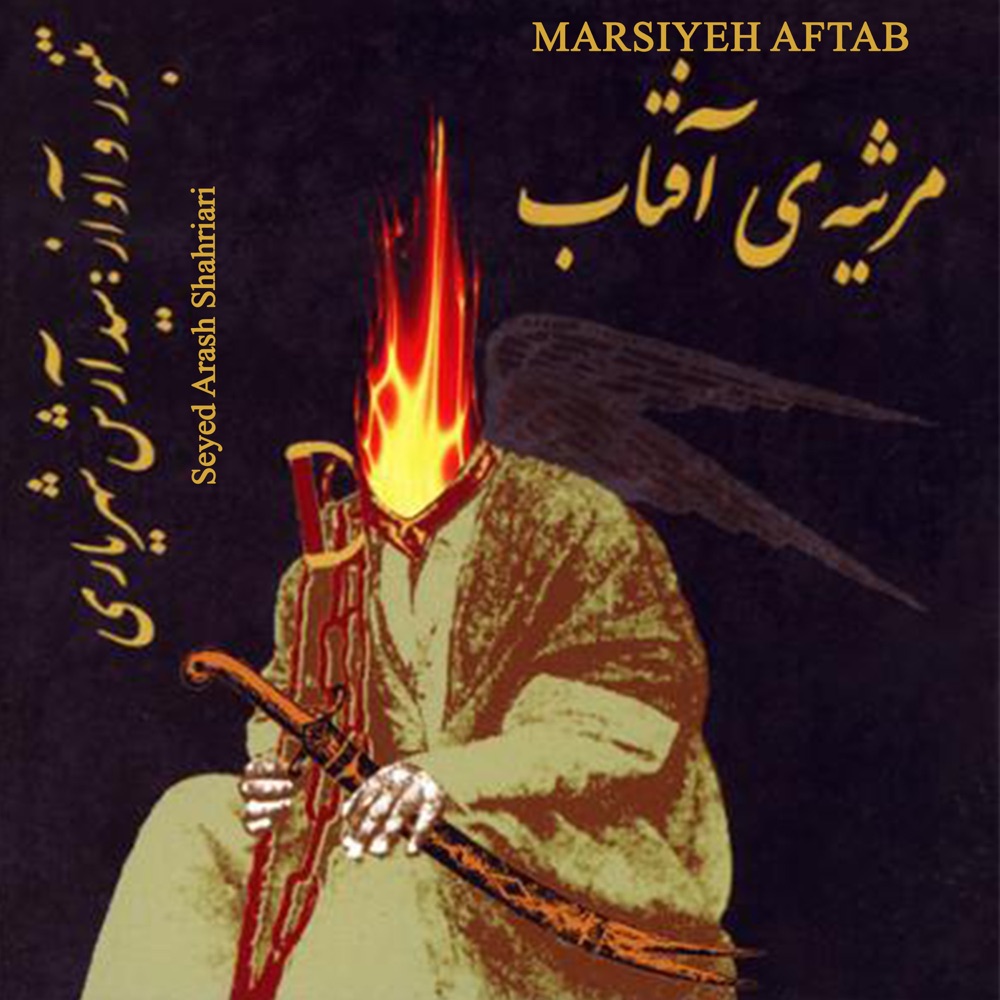 Marsiyeh-ye Aftab (Elegy of the Sun)Artist
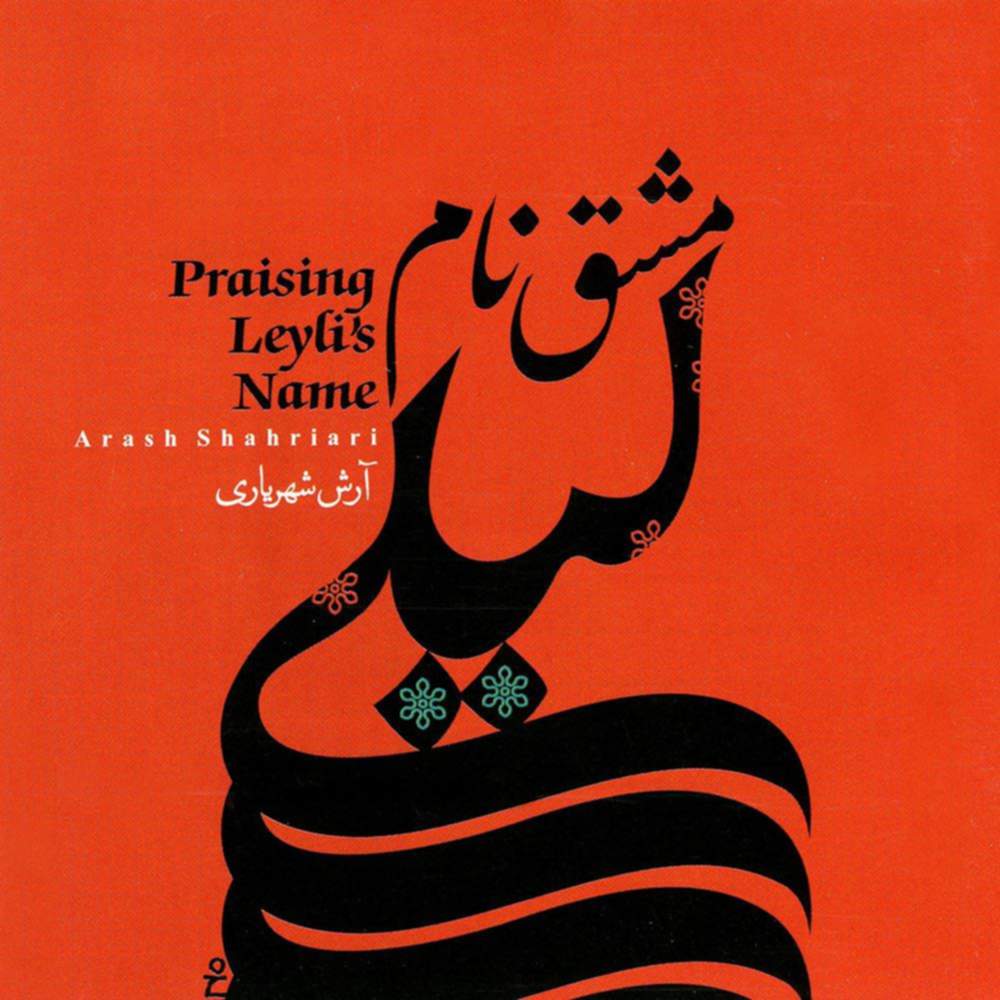 Mashgh-e Nam-e Leyli (Praising Leyli's Name)Artist
- Recordings of Seyed Arash Shahriari from the Navaye Tanbur channelArtist
Videos
- Chigh – a Documentary by Mohammad Reza AslaniTanbur
- Maqam Gharibi – Seyed Arash ShahriariTanbur
- Maqam Tarz-e Rostam – Seyed Arash ShahriariTanbur
- Maqam Tarz-e Rostam of Guran as handed down by Seyed Arash ShahriariTanbur
- Mara ahdist ba shadi – Seyed Arash Shahriari and Seyed Vesal HoseiniTanbur
- Online Tanbur Concert – Seyed Arash Shahriari (Regional Music)Tanbur
Show all 19
- Raz-e Hasti – Seyed Arash Shahriari, voice and poem: Kourosh HamekhaniTanbur
- Seyed Arash Shahriari – for motherTanbur
- Seyed Arash Shahriari – tanburTanbur
- Seyed Arash Shahriari – tanburTanbur
- Shod ze ghamat – Seyed Arash Shahriari and Seyed Vesal HoseiniTanbur
- Shoq-e Vasl (Ashenayan-e rah-e eshq) – Seyed Arash Shahriari and Seyed Vesal HoseiniTanbur
- Sufi Tanbur Playing by Arash Shahriari | Iranian Sufi Music – Tanbur & VocalTanbur
- Ta'vil in Maqam Ghatar – Seyed Arash ShahriariTanbur
- Ta’vil on maqam Hosseini – Seyed Arash ShahriariTanbur
- Tanbur playing – Seyed Arash ShahriariTanbur
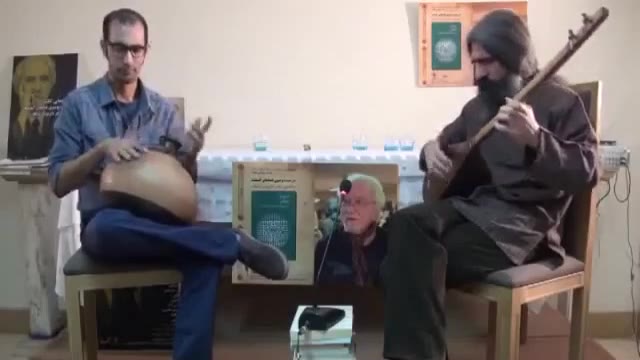 Tanbur solo – Seyed Arash ShahriariTanbur
 Tanbur solo – Seyed Arash ShahriariTanbur
- Turkey 2012 performance – Seyed Arash Shahriari and Iman Lotfi (Hacı Bektaş Veli)Tanbur