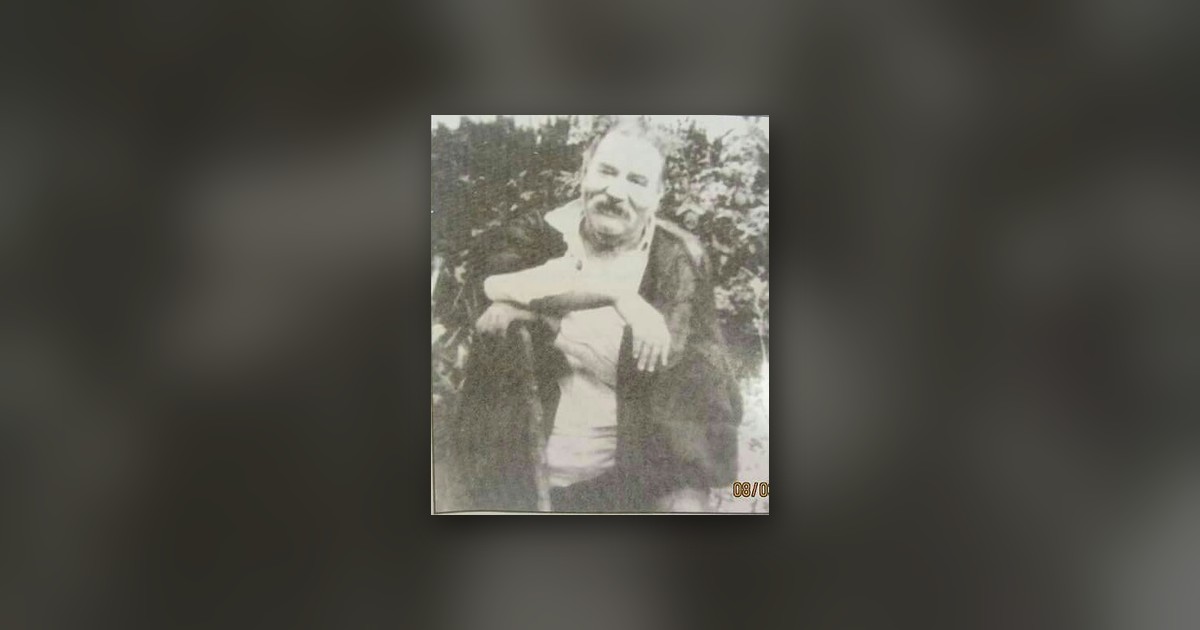
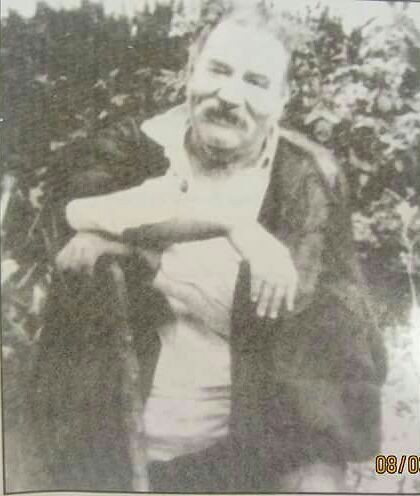
Darvish Hasan Kharabati
Tanbur player, singer, composer and poet
1892/93–1967/68Another of the great masters of the tanbur was the late Darvish Hasan Kharabati. In the time of Agha Seyed Shamseddin Heydari, since there were no means of transport, he always went on foot and with devotion on pilgrimage to the Heydari tekyeh to learn the art; he stayed constantly in the presence of Agha Seyed Shamseddin and attained the rank of master. He and his son, the late Darvish Nemat Kharabati, were masters of verse, with a style of their own and of high standing (they are descendants of Darvish Fareq, one of the Chehel-tan (Forty) in the time of Agha Seyed Brakeh of Guran); only cassette recordings of them survive. Darvish Hasan was so devoted to and enamoured of the Agha's family that, in accordance with his own will, he was buried in Tutshami (at Mashe, opposite Asiawa Gura).
Darvish Hasan Kharabati was born in 1271 SH (1892/93) in Kermanshah, the son of the late Sabz Ali Kordeh and a grandson of Darvish Fareq Kermanshahi, one of the Chehel-tan darvishes of the Heydari line.
He had complete mastery of the dastgahs (the modal systems of Persian classical music) and their principal modes, and had a warm and deeply heavenly voice; he played the tanbur with consummate mastery and had a special style of singing, performing the Persian radifs (the traditional repertoire of Persian classical music) in his own darvish manner. He was also an accomplished composer and poet: the lyrics of all the songs he composed were his own.
Darvish Hasan Kharabati died in 1346 SH (1967/68) at the age of 75; in accordance with his will he was buried in the village of Tutshami, at a place called Dar Nasir, where great figures such as Seyed Vali Hosseini and Amirza Seyd Ali also rest.
Hasan Kharabati trained many students and gave them to the community of Persian music. A prime example is his son Nemat-Ali Kharabati, who in the art of music was a protégé and heir of Darvish Hasan Kharabati. He had a fine voice and, on the spiritual path of truth, followed his father's way and was a devotee of Agha Seyed Nasreddin Heydari. He was born in 1312 SH (1933/34) and died in 1371 SH (1992/93).
Darvish Hasan Kharabati's poem “Bidelan” (“The Lovelorn”) reads, in translation: Tonight among the lovelorn a heart has appeared – a beloved who cherishes lovers, a kindred heart. For the thirsty a spring of clear water has come forth; for the caravan of those who lost their way a resting place has been found. The daily bread of the free spirits arrives in God's desert; the camel that had lost its way has been found, together with its litter. To the dead comes another from the way of Jesus – joyful tidings for lovers that a blessed pir (spiritual guide) has appeared. On a cloudy day, as a moon-faced beauty went out into the rain, the lanes turned to mire and one with his feet caught in the mud appeared. In the heart of the stormy sea and the fearsome whirlpool, we shipwrecked ones have found a shore. At dawn Kharabati came with good news from the Friend's lane and said: “O you who have given away your hearts, a master of hearts has appeared.”
Source: Telegram channel “Navaye Tanbur”, 27 April 2017; quoting parts of the writings of Alireza Abbasi Gurajubi and the book “Zamineh-ye Shenakht-e Tanbur” by Heydar Kaki.