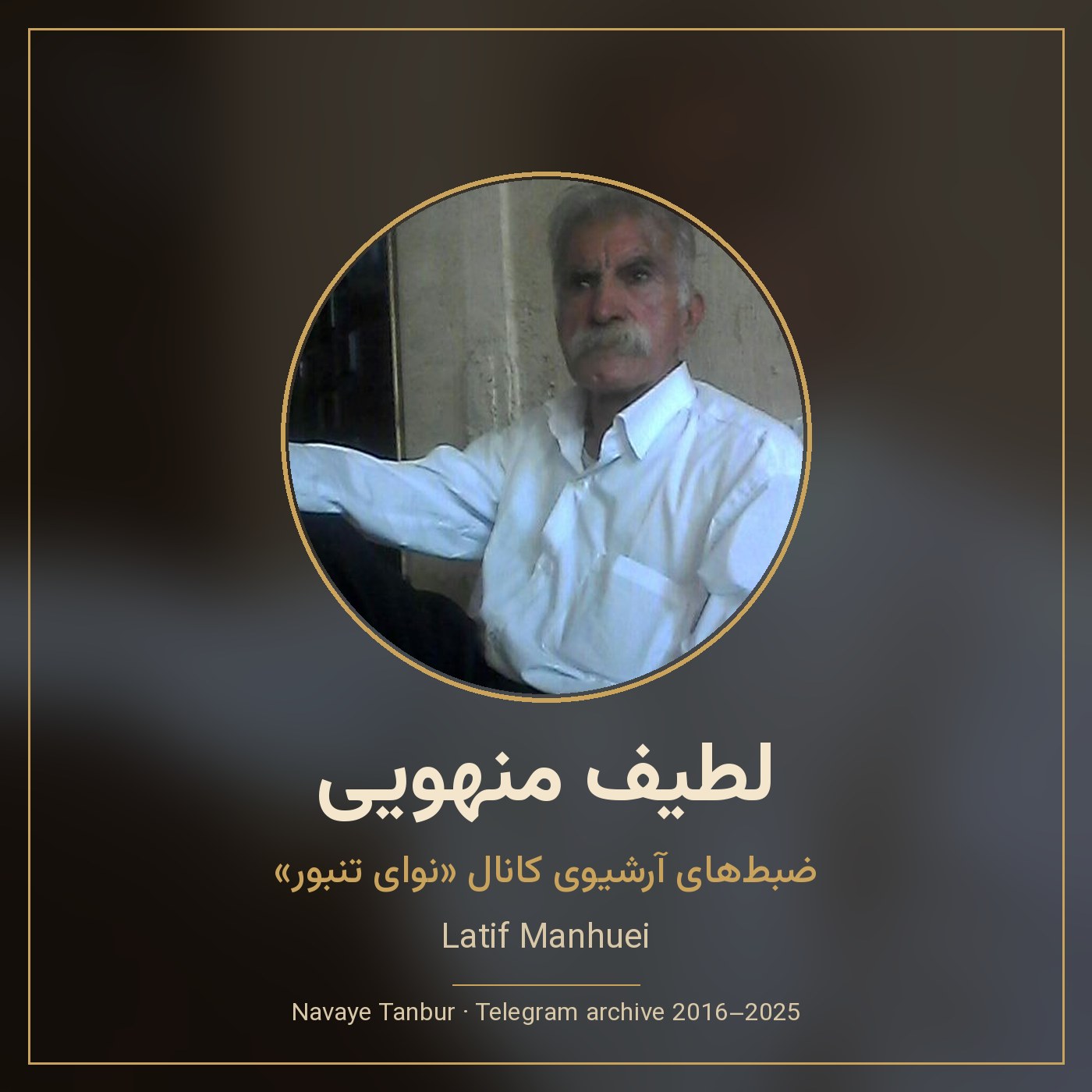
Latif Manhuei
Maqam master, kalam singer and tanbur player
1959–2018The Manhuei family
The Manhuei family is one of the important and influential families in promoting the kalam (the sacred hymns of the Yarsan), kalam singing and tanbur playing among the Yarsan people over the past three centuries. For four generations the family has served and promoted Yari culture, especially kalam, kalam singing and tanbur playing. The Manhuei family comes from the village of Gurehjub near the town of Gahvareh, the cradle of great maqam masters and kalam singers.
Asa Sarkhaw was a great master of the tanbur and an interpreter of the Yari faith in the time of Seyed Brakeh, who at that time charged him with guiding the Ahl-e Haqq people of the Tabriz region and its surroundings and propagating the Yari faith among them. Asa Sarkhaw was the father of Asa Teraw and Kadara, both great figures of the tanbur and the kalam, who played an important and fundamental role in preserving the authentic Yari maqams (traditional melodic pieces of the tanbur) and passing them on to the next generation.
Asa Sarkhaw trained great pupils, each of whom contributed to preserving and promoting the ancient maqams of the tanbur and the Yari culture of the kalam. The Kakis of Gurehjub – Kaki Reza, Kaki Qamar, Kaki Mehdi Khan Shafiei, Kaki Jashnani, Kaki Vali – as well as Seyed Vali Hosseini and Seyed Fattah Simani were all pupils of Asa Sarkhaw and benefited from his teaching.
The Manhuei family:
Asa Sarkhaw
Asa Teraw
Kadara
Ka Latif
Asa Teraw and Kadara were both sons of Asa Sarkhaw; Ka Azam, Asa Sarkhaw’s grandson, was the son of Asa Teraw; and Ka Latif is the son of Ka Azam and the nephew of Kadara.
Kadara
Kadara was one of the great figures and authorities on the maqams of the Yarsan kalam. A son of Asa Sarkhaw, he served, thanks to his great skill, as an arbiter in the gatherings of Agha Seyed Shamseddin, and played an important role in collecting and transmitting the maqams and in preventing them from being forgotten. At the age of 50 Kadara went to Baba Yadegar, put on the dervish’s cloak and remained there until the end of his life.
Like his father, grandfather and uncle, Ka Azam too was one of the great figures and authorities on the maqams of the tanbur and made his own contribution along this path.
Latif Manhuei
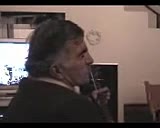
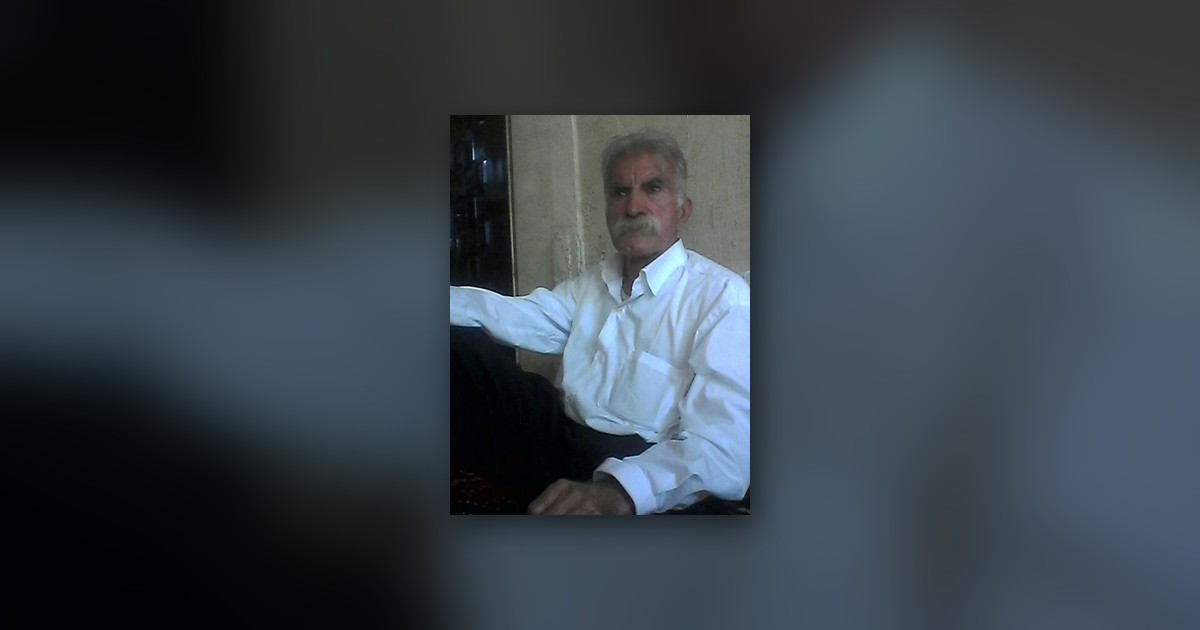
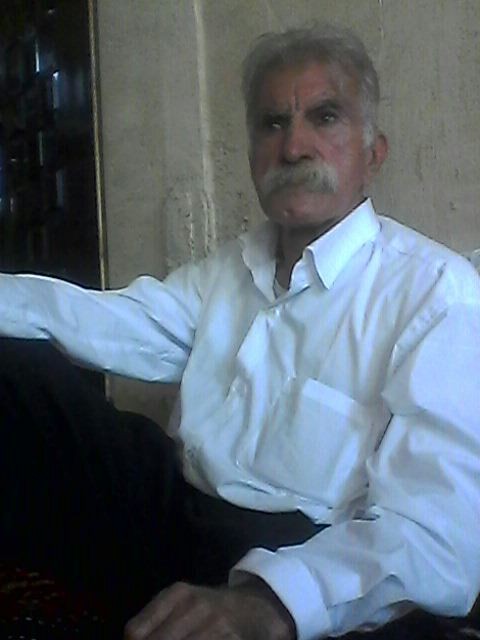
Latif Manhuei, known as Kakeh Manhuei, is one of the renowned maqam masters and kalam singers of the Yarsan community, with a distinctive style of playing and performing the tanbur maqams; the passion and loving emotion, mingled with heartfelt ardour, of his kalam singing is known to all.
Ka Latif was born on 4 Farvardin 1338 SH (25 March 1959) in Gurehjub. As a child he began learning the tanbur, which was part of his family heritage, with his grandfather Asa Teraw, and within a short time he reached the rank of master.
Ka Latif is a devoted follower of his pir (spiritual master), Agha Seyed Nasreddin Heydari; the poems and melodies he has composed in praise of the Agha and of the Heydari tekyeh are widely known. He retired from the Rural Cooperatives Office of Eslamabad-e Gharb county and in 2016 was living in the city of Karaj.
Latif Manhuei died in Farvardin 1397 SH (March 2018). The channel “Navaye Tanbur” reported his death on 26 March 2018 (6 Farvardin 1397). In an elegy written in Kermanshah the same day, Behzad Moradi described him as a tanbur player, maqam master, maqam singer, man of letters, poet and melodist, and recalled that every year at Nowruz he offered one of his own poems, sung to the tanbur, to Agha Seyed Nasreddin Heydari.
Source: Telegram channel “Navaye Tanbur”, 27 November 2016; with thanks to Siavash Manhuei, his son; report of his death and elegy by Behzad Moradi: 26 March 2018.
Music
 Kalam “Ey Goli Baghi Ra’na” · Recordings of Latif Manhuei from the Navaye Tanbur channelPerformer
- Kalam of prayer and supplication · Recordings of Latif Manhuei from the Navaye Tanbur channelPerformer · آواز
- Maqam Aali Gorz Vish · Recordings of Latif Manhuei from the Navaye Tanbur channelPerformer
- Maqam Abedina · Recordings of Latif Manhuei from the Navaye Tanbur channelPerformer
- Maqam Abedina · Recordings of Latif Manhuei from the Navaye Tanbur channelPerformer
- Maqam Ali Ali Hu Hu · Recordings of Latif Manhuei from the Navaye Tanbur channelPerformer
Show all 32
- Maqam Babanausi 2 (Qarachupi) · Recordings of Latif Manhuei from the Navaye Tanbur channelPerformer
- Maqam Babanausi 3 (Dasi Beruzmawan) · Recordings of Latif Manhuei from the Navaye Tanbur channelPerformer
- Maqam Beyan va Yari · Recordings of Latif Manhuei from the Navaye Tanbur channelPerformer
- Maqam Chel Tan Chelana · Recordings of Latif Manhuei from the Navaye Tanbur channelPerformer
- Maqam Dasi Vet Vala · Recordings of Latif Manhuei from the Navaye Tanbur channelPerformer
- Maqam Do Vala · Recordings of Latif Manhuei from the Navaye Tanbur channelPerformer
- Maqam Hey Cheltan and Chel Tan Chelana · Recordings of Latif Manhuei from the Navaye Tanbur channelPerformer
- Maqam Hey Davud · Recordings of Latif Manhuei from the Navaye Tanbur channelPerformer
- Maqam Jam Nian Dusan Avyana · Recordings of Latif Manhuei from the Navaye Tanbur channelPerformer
- Maqam Jem Nian Dusan Avyana · Recordings of Latif Manhuei from the Navaye Tanbur channelPerformer
- Maqam Lami · Recordings of Latif Manhuei from the Navaye Tanbur channelPerformer
- Maqam Pishravari Pardivari · Recordings of Latif Manhuei from the Navaye Tanbur channelPerformer
- Maqam Rezhyan Dalahu · Recordings of Latif Manhuei from the Navaye Tanbur channelPerformer
- Maqam Seyed Khamushi · Recordings of Latif Manhuei from the Navaye Tanbur channelPerformer
- Maqam Sheykh Amiri · Recordings of Latif Manhuei from the Navaye Tanbur channelPerformer
- Maqam Tala Savaran · Recordings of Latif Manhuei from the Navaye Tanbur channelPerformer
- Maqam Tanamiri · Recordings of Latif Manhuei from the Navaye Tanbur channelPerformer
- Maqam Yaran Jem Nian · Recordings of Latif Manhuei from the Navaye Tanbur channelPerformer
- Part of Maqam Yar Davud · Recordings of Latif Manhuei from the Navaye Tanbur channelPerformer
- Recording of 5 Mordad 1382 · Recordings of Latif Manhuei from the Navaye Tanbur channelPerformer
- Recordings of Latif Manhuei from the Navaye Tanbur channelArtist
- Shahnameh singing · Recordings of Latif Manhuei from the Navaye Tanbur channelPerformer
- Shahnameh singing · Recordings of Latif Manhuei from the Navaye Tanbur channelPerformer
- Untitled performance · Recordings of Latif Manhuei from the Navaye Tanbur channelPerformer
- Untitled performance · Recordings of Latif Manhuei from the Navaye Tanbur channelPerformer
- Untitled performance · Recordings of Latif Manhuei from the Navaye Tanbur channelPerformer
Videos
- Kaka Latif Manhuei – kalam and tanbur (1)Vocals
- Kaka Latif Manhuei – kalam and tanbur (2)Vocals
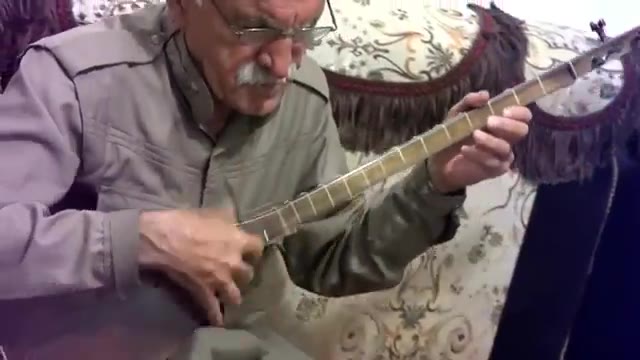 Kalam in praise of Agha Seyed Nasreddin Heydari – Latif ManhueiPerformer
- Maqam Gharibi – Darvish Namdar Esfandiari Gurajubi and Latif ManhueiVocals
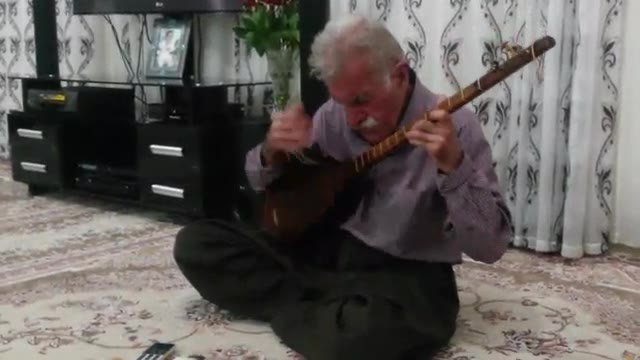 Maqam Majnuni – Latif ManhueiPerformer
 Maqam Tarz-e Yari – Latif ManhueiPerformer