Mozaffar Mansourian
Composer, tanbur player, singer, instrument maker and writer
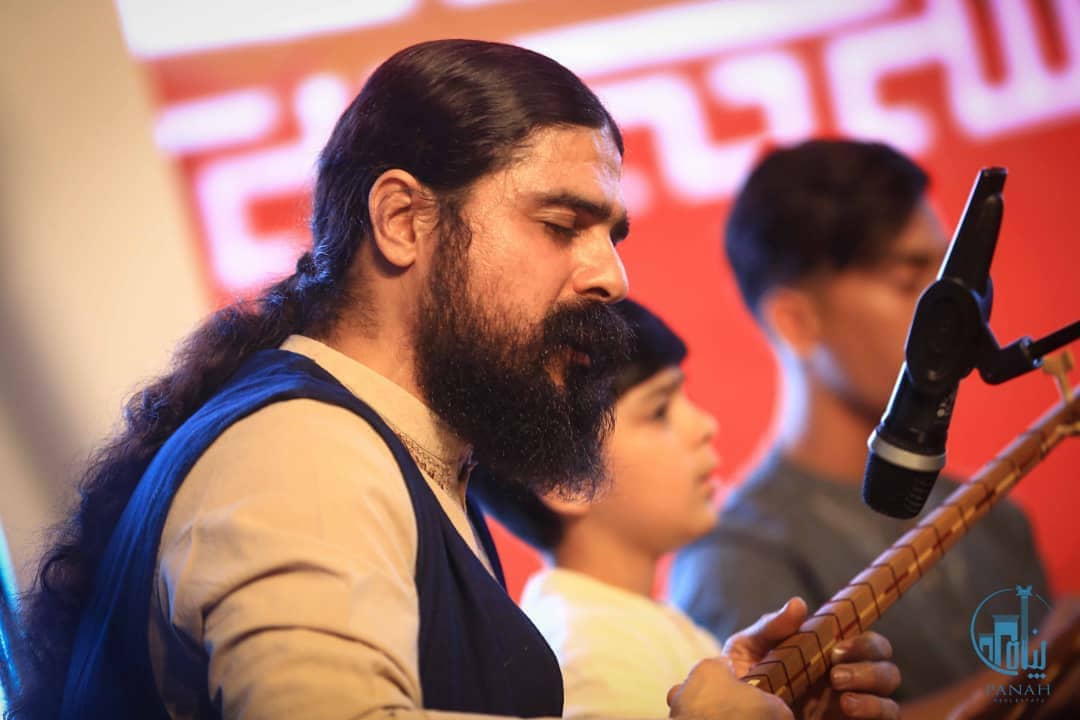
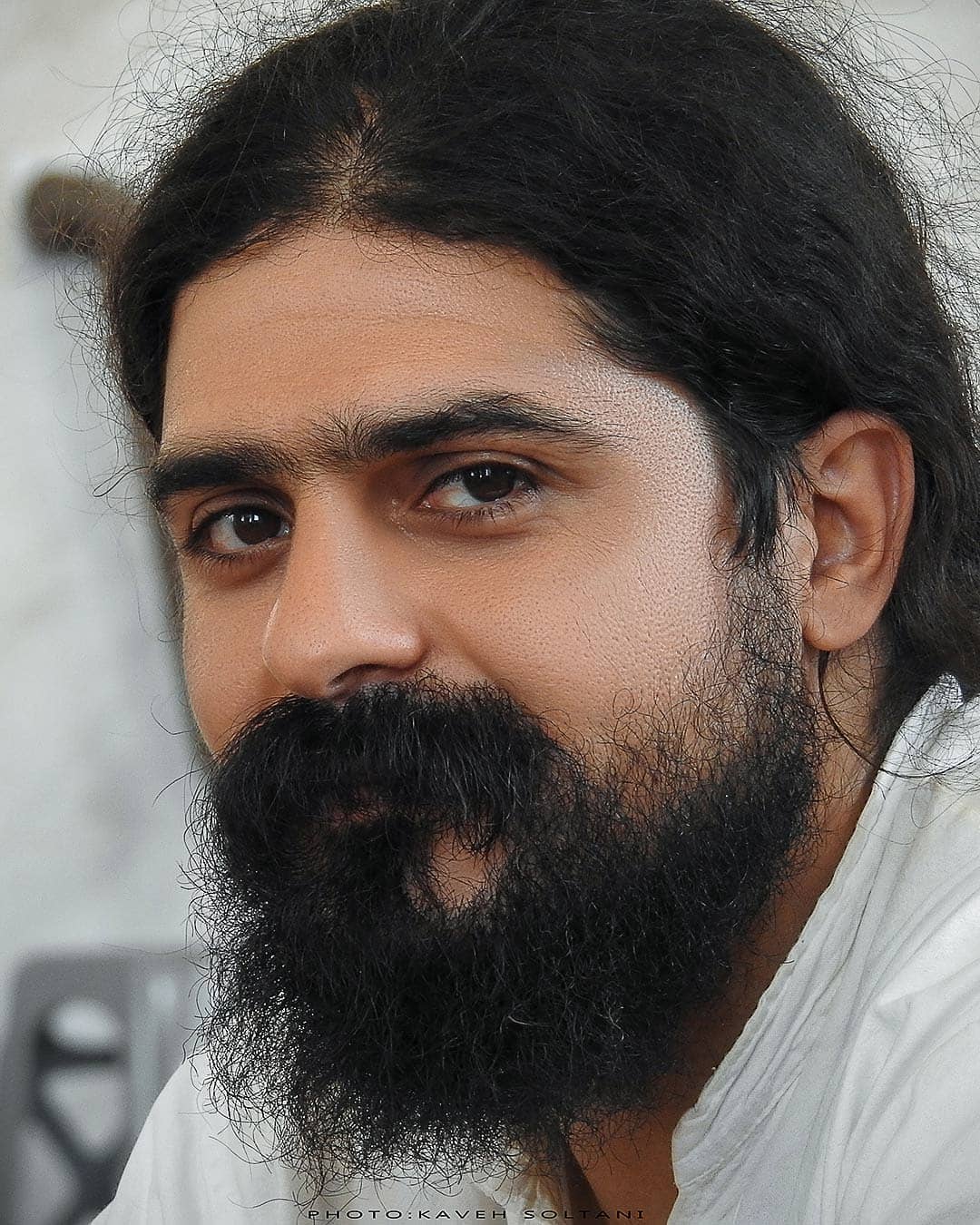
b. 1981Mozaffar Mansourian (born March/April 1981 in Kermanshah) is one of the outstanding figures of the new generation of tanbur players in Iran and has made a considerable contribution to the rediscovery, performance and spiritual-musical development of the instrument. He is one of the few artists who have managed to forge a coherent link between the old tradition of tanbur playing and contemporary approaches to performance, and who, as a composer and researcher, have devoted themselves to the cultural and musical analysis of this art.
1. The historical and cultural context of his work
Tanbur music, especially in the regions of western Iran such as Kermanshah, Dalahu, Hawraman and Shahu, is recognised as a ritual maqam music (built on maqams, the traditional melodic pieces of the tanbur repertoire) with deep roots in the spiritual fabric of local society. Against this background, Mansourian has devoted himself not merely to playing the instrument but to understanding the tanbur historically, culturally and ritually, and has sought to experience and represent the music in connection with the customs and beliefs of the people of the region. The existence of his large ensemble, “Mastur”, can also be understood in this context.
2. Training and artistic development
Mansourian began playing the tanbur as a teenager and learned this art in the traditional way from eminent masters such as Seyed Khalil Alinejad, Mozaffar Berenji and Nasreddin Khamushi. This traditional training became the basis of his deep understanding of the maqams, rhythms and performance practices of the tanbur.
Alongside his traditional training, he also pursued a more academic and analytical path and tried to combine tradition with modern musical tendencies in his performances, a combination that reflects his attention to the alternative identities of music and his critical engagement with mere formalism.
3. The “Mastur” ensemble and the development of collective music-making
One of Mansourian’s most important achievements is the founding of the “Mastur” ensemble, a group whose aim was to bring together a body of tanbur players to perform the maqams and musical rites. Drawing on its large number of players, the ensemble recreated the collective vibration and resonance of the maqams in ritual and public spaces. Among its important performances was Zar o Parishan (“Forlorn and Distraught”) at the Shah Hayas takyeh (a ritual gathering hall) and at the tomb of Baba Yadegar in Dalahu, which was very warmly received.
The formation of “Mastur” should be seen as the realisation of a cultural project: a project that took shape by drawing on folkloric and spiritual symbols such as “Shah Khoshin” in the belief of the Ahl-e Haqq, i.e. the Yarsan, a Kurdish mystical faith (a symbol of an army of nine hundred musicians), and that reflects an effort to keep tanbur music alive and to spread it in the present generation.
4. Artistic features and approach to performance
In his performances Mansourian has drawn not only on his command of the traditional maqams and melodies of the tanbur but also on elements of improvisation and musical analysis. Maqams such as Aman Ya Ali (“Mercy, O Ali”), Zekr-e Ya Hu Madad (“The Invocation ‘O God, Help!’”) and Dam-e Hameh Dam (“The Breath of Every Breath”) in his teaching curriculum and performances reflect his attention to the layers of meaning and structure in tanbur music.
This approach shows his commitment to presenting the tanbur not merely as an instrument to be played but as a medium for conveying spiritual experience and for understanding music within its cultural framework.
5. Teaching and performance workshops
Besides performing, Mansourian is also active in teaching: his instructional videos, available on Iranian and international video platforms, cover introductory and advanced topics of the tanbur and make learning easier for students and researchers of Iran’s regional music.
6. Influence and outlook
Mansourian’s role in the new generation of Iranian tanbur playing can be seen as going beyond performance: by founding the Mastur ensemble, through professional teaching and by combining a traditional with an analytical outlook, he has made an important contribution to keeping tanbur music alive. His field research on the maqams, on collective performance and on the ritual meaning of tanbur music could open up broad avenues for future research in ethnomusicology.
Courses
Videos
- Mastoor School – Tanbur Lessons with Mozaffar MansourianTeacher
- Delbar (Beloved) – Mastour Tanbur EnsembleArranger
- Tanbur Lessons with Master Mansourian – Introductory LessonTeacher
- Tanbur Lessons with Master Mansourian – Lesson 1: Aman Ya AliTeacher
- Tanbur Lessons with Master Mansourian – Lesson 10: Soltan Sarjam Hu HuTeacher
- Tanbur Lessons with Master Mansourian – Lesson 11: Donya Fani Yen Davud GianTeacher
Show all 65
- Tanbur Lessons with Master Mansourian – Lesson 12: Shah HawramaniTeacher
- Tanbur Lessons with Master Mansourian – Lesson 13: Rezhian DalahuTeacher
- Tanbur Lessons with Master Mansourian – Lesson 14: Soltan MardanTeacher
- Tanbur Lessons with Master Mansourian – Lesson 15: Ya Zat HosseinTeacher
- Tanbur Lessons with Master Mansourian – Lesson 16: Ayin-e MastanTeacher
- Tanbur Lessons with Master Mansourian – Lesson 17: Yarab o RendanTeacher
- Tanbur Lessons with Master Mansourian – Lesson 18: JelowshahiTeacher
- Tanbur Lessons with Master Mansourian – Lesson 19: Amir al-MomeninTeacher
- Tanbur Lessons with Master Mansourian – Lesson 2: Ya Hu MadadTeacher
- Tanbur Lessons with Master Mansourian – Lesson 20: Instrumental Piece by Behrouz TaheriTeacher
- Tanbur Lessons with Master Mansourian – Lesson 21: Maqam Gol-o KharTeacher
- Tanbur Lessons with Master Mansourian – Lesson 22: Yavaran MasemTeacher
- Tanbur Lessons with Master Mansourian – Lesson 23: Maqam Baya BayaTeacher
- Tanbur Lessons with Master Mansourian – Lesson 24: Fingering ExercisesTeacher
- Tanbur Lessons with Master Mansourian – Lesson 25: Vesal-e SaqiTeacher
- Tanbur Lessons with Master Mansourian – Lesson 26: Zar o ParishanTeacher, Composer, Poet
- Tanbur Lessons with Master Mansourian – Lesson 27: Simple FingeringTeacher
- Tanbur Lessons with Master Mansourian – Lesson 28: Maqam Baba NawesiTeacher
- Tanbur Lessons with Master Mansourian – Lesson 29: Kalam Refrain (Sarband) Dus Bezhan BezhanTeacher
- Tanbur Lessons with Master Mansourian – Lesson 3: Dam Hame DamTeacher
- Tanbur Lessons with Master Mansourian – Lesson 30: Kalam Refrain (Sarband) Ali Ali HuTeacher
- Tanbur Lessons with Master Mansourian – Lesson 31: Kalam Refrain (Sarband) Yar Dideh KaniTeacher
- Tanbur Lessons with Master Mansourian – Lesson 32: Kalam Refrain (Sarband) Hagh ChelanehTeacher
- Tanbur Lessons with Master Mansourian – Lesson 33: Kurdish Mystical ZekrTeacher
- Tanbur Lessons with Master Mansourian – Lesson 34: Khaneh-ye SowdaTeacher
- Tanbur Lessons with Master Mansourian – Lesson 35: Ey Yaran Mezgani AliTeacher
- Tanbur Lessons with Master Mansourian – Lesson 36: Maqam Haghani Gian Seyed MohammadTeacher
- Tanbur Lessons with Master Mansourian – Lesson 37: Maqam Hey Imanam YarTeacher
- Tanbur Lessons with Master Mansourian – Lesson 38: Some Strokes and FingeringsTeacher
- Tanbur Lessons with Master Mansourian – Lesson 39: Del Ghalandar Ast Mowla JanTeacher
- Tanbur Lessons with Master Mansourian – Lesson 4: Soltan SahakiTeacher
- Tanbur Lessons with Master Mansourian – Lesson 40: Song (Tasnif) Manam Manam Gada-ye ToTeacher, Poet
- Tanbur Lessons with Master Mansourian – Lesson 41: Ashk PardehTeacher
- Tanbur Lessons with Master Mansourian – Lesson 42: Maqam Hey Agha-ye JafanTeacher
- Tanbur Lessons with Master Mansourian – Lesson 43: Maqam Yar Dideh Kani Chewashen Yar Mayu GianTeacher
- Tanbur Lessons with Master Mansourian – Lesson 44: Mowla JanamTeacher
- Tanbur Lessons with Master Mansourian – Lesson 45: Maqam Zowgh o Zamawen SoltanehTeacher
- Tanbur Lessons with Master Mansourian – Lesson 46: Yarsan Shah Man Soltan SahakenTeacher
- Tanbur Lessons with Master Mansourian – Lesson 47: Yar Beleh ShitehTeacher
- Tanbur Lessons with Master Mansourian – Lesson 48: Maqam Baba FaghihTeacher
- Tanbur Lessons with Master Mansourian – Lesson 49: Mardan-e KhodaTeacher
- Tanbur Lessons with Master Mansourian – Lesson 5: Heydar MadadTeacher
- Tanbur Lessons with Master Mansourian – Lesson 50: Del Khalvat-e KhasTeacher
- Tanbur Lessons with Master Mansourian – Lesson 51: Maqam Shah KhoshiniTeacher
- Tanbur Lessons with Master Mansourian – Lesson 52: Kurdish Song (Tasnif) Shaw-e HejranTeacher
- Tanbur Lessons with Master Mansourian – Lesson 53: Jam Cheltanan DavudTeacher
- Tanbur Lessons with Master Mansourian – Lesson 54: Jashn o Zamawen YaranenTeacher
- Tanbur Lessons with Master Mansourian – Lesson 55: Alimen Haghe-wu Dinem Haghe-wu Pirem HaghTeacher
- Tanbur Lessons with Master Mansourian – Lesson 56: Song (Tasnif) Ey AsheghanTeacher
- Tanbur Lessons with Master Mansourian – Lesson 57: Showgh-e VaslTeacher
- Tanbur Lessons with Master Mansourian – Lesson 58: Maqam Savar SavarTeacher
- Tanbur Lessons with Master Mansourian – Lesson 59: Khajeh Gholaman GianTeacher
- Tanbur Lessons with Master Mansourian – Lesson 6: Navaei NavaeiTeacher
- Tanbur Lessons with Master Mansourian – Lesson 60: Maqam Ghara ChupiTeacher
- Tanbur Lessons with Master Mansourian – Lesson 7: Badeh NushanTeacher
- Tanbur Lessons with Master Mansourian – Lesson 8: Hasht ZarbiTeacher
- Tanbur Lessons with Master Mansourian – Lesson 9: Kurdish SaqinamehTeacher
- The World's Oldest Instrument | Tanbur | Persian Mystic MusicDocumentary subject, Tanbur
- Yar Shokati – Adnan SoleimaniTanbur