Mastoor ensemble
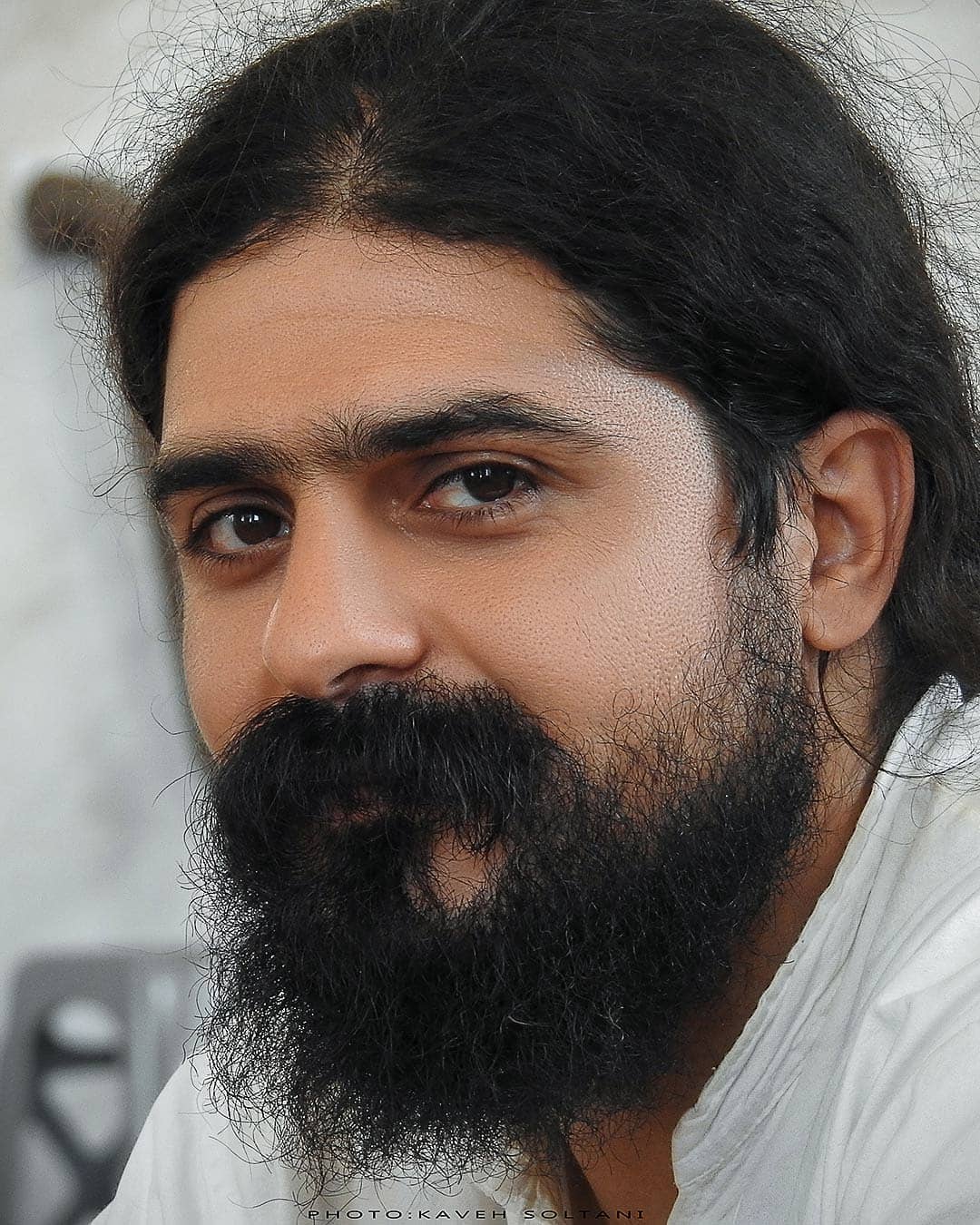
The Mastoor ensemble, led by Mozafar Mansurian, is one of the largest and best-known groups of Iran’s regional music, from the music scene of Kermanshah. It specialises in ensemble tanbur playing marked by cohesion, grandeur and authenticity. Among its best-known works are “Heydar Madad” and “Zar o Parishan”, which hold a special place among lovers of mystical music.
Yarsan belief tells of Shah Khoshin, said to have appeared in Lorestan in the 4th century AH — or, in another account, in the first half of the 5th — with a host of nine hundred people and nine hundred instruments, including sorna, dohol and tanbur. In one ritual cycle known as “Gavahi-ye Dun”, ninety-nine pirs of Shaho recall their roles in Shah Khoshin’s time, each guiding nine hundred companions; that era is therefore called “the age of the nine hundred nine-hundreds”.
Inspired by this historical and ritual account, Mozafar Mansurian, the ensemble’s leader, hopes to form a group of nine hundred tanbur players to revive that spiritual heritage in a new, contemporary form.
The ensemble’s first major performance took place at the tomb of Baba Yadegar in the Dalahu region. There, Mozafar Mansurian and the members created an intense, enraptured atmosphere with “Heydar Madad” and “Hey Saqi” — “Heydar Madad” in particular was very warmly received. Later, “Yek Shabi Zar o Parishan” was also well received and further established the group.
The ensemble centres on the tanbur and the mystical and ritual melodies of western Iran. Drawing on the spiritual heritage of the Yarsan and the old tanbur maqams, it works to revive authentic ways of playing the instrument, both solo and in ensemble.
Leader
b. 1981