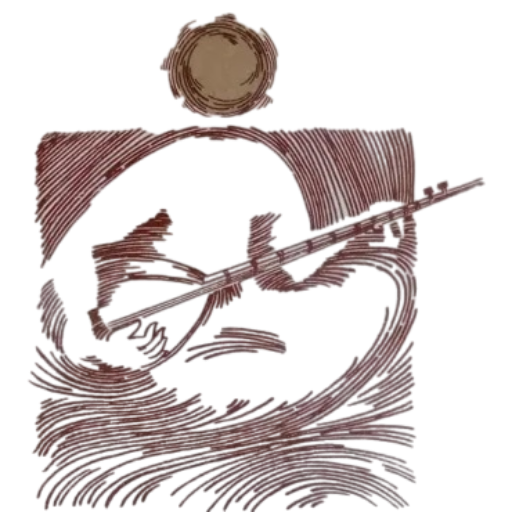
Dalahoo
Also: شهرستان دالاهو · کوه دالاهو
Dalahoo is a county in Kermanshah province whose people are mostly followers of the Yarsan faith, for whom the tanbur is central to ritual life. It was registered as Iran's national city of tanbur making on 22 Dey 1399 SH (11 January 2021).
Dalahoo is a county in Kermanshah province, about 99 kilometres from the city of Kermanshah, made up of two districts: Central and Gahvareh. It was the last county added to Iran’s administrative divisions at the end of the Third Development Plan. On 11 January 2021 (22 Dey 1399) Dalahoo was registered as the “National City of Tanbur Making”, and historical sources count it among the important homelands of the tanbur.
Name and land
The county is named after a mountain of the same name. Two meanings have been proposed for the name: “home of the eagle”, from dal (eagle) and hu from huwgeh (place, home); or a combination of dal and ahu (gazelle), since eagles and gazelles were once plentiful on the mountain. Dalahoo is a mountainous land of forests, springs and full rivers with a mild climate, and is one of the tourist destinations of Kermanshah province. According to archaeological research, settlement in the region goes back to the Middle Palaeolithic, about thirty thousand years ago.
People, language and shrines
The people of Dalahoo are Kurds, and most follow the Yarsan (Ahl-e Haqq) faith; a Sunni minority also lives in the county. The main dialects are Southern Kurdish in its local Dalahoo variety and Sorani Kurdish with a Jafi accent; Kalhori is also spoken. In the villages of Zardeh and Tut-Shami people speak Hawrami, and in Gurajub Qeshlaq and Gurajub Moradbeyg, Gorani.
For the Yarsan, Dalahoo is sacred land. Its shrines include the tombs of Pir Benyamin, Pir Musa and Bohlul in the Central district, the tombs of Baba Yadegar and Davood Kousavar in Rijab, and the house and takyeh of Agha Seyed Nasreddin Heydari in the village of Tut-Shami.
The tanbur in Dalahoo
For the Yarsan of Dalahoo, the tanbur is an inseparable part of religious ceremonies and is also present in times of joy and mourning. Making and playing the tanbur are widespread in the county. According to reports at the time of registration, 110 tanbur workshops (35 large and 75 small) and 183 artists and craftspeople were active in this field in Dalahoo. The large number of workshops, the work of the Khaneh-ye Tanbur (a non-governmental cultural centre for teaching and preserving tanbur music and the instrument) and the tanbur festivals held there were among the main reasons for registering Dalahoo as the national city of the tanbur. Among the county’s renowned tanbur players are Ali Akbar Moradi and Heydar Kaki.
Debate over the title
Registering the tanbur under the name of a single county did not go without criticism. Some pointed out that the tanbur also holds a high place in Sahneh and Lakestan, and that naming just one town as the instrument’s homeland is not accurate. For this debate, see The “city of the tanbur” debate: Dalahoo, Sahneh or Kermanshah?.
Tanbur players born in Dalahoo on Tanburban: Lalu Birkhan Heydari, Darvish Changiz Abdipour, Golnazar Azizi, Farid Isaei, Ghobad Ghobadi, Ali Akbar Moradi, Seyed Teymour Mehrabi, Taher Yarveysi
From the Dalahoo region, though his birthplace is not recorded on Tanburban: Berarkhas Khaledpour (lived in the village of Zardeh until he was 16)..
Last updated November 24, 2026