61 – Gharibi
1 view · Jan 19, 2015
Range: C, D (D♭), E, F, G, A, B, C, D
Variable notes: D.
Time signatures in the metric sections: 3/4, 2/4.
Lavach (sections): Avaz (unmetered vocal section), first zemzemeh (humming passage), repetition of the avaz, second zemzemeh.
Tuning: Panj Dastan or Tarz (C, C, F).
Heydar Kaki says about this maqam (a melodic-modal piece of the tanbur repertoire): “It is one of the majlesi maqams (secular maqams played at gatherings) and follows the Mahur scale, but the allusion to the note D♭ makes it an exception, because the ‘yodel’ technique is used in its singing. Yodel is a vocal technique in which the melismas (tahrir) are performed back and forth at an interval of a fourth or a fifth. This technique exists in various forms in the vocal radif (the canonical repertoire of Persian classical music), in hureh singing (an ancient Kurdish unmetered vocal genre), in African music and elsewhere.”
The lavach (sections) of this maqam are as follows: 1- Avaz 2- First zemzemeh 3- Repetition of the avaz 4- Second zemzemeh.
According to Ali Akbar Moradi, this maqam is one of the majlesi maqams and has an epic character. Its poems, however, tell of loneliness and separation from the beloved. It is very interesting that the text of this maqam is very close to Rostam’s words at the fourth of his Seven Labours, where Rostam, too, laments his forlornness far from home and says things that appear in the text of this maqam. Although this maqam is majlesi, its text is transmitted from the daftar (verse collection) of Mowlavi Kord, the poet of the thirteenth century AH (19th century CE).
People
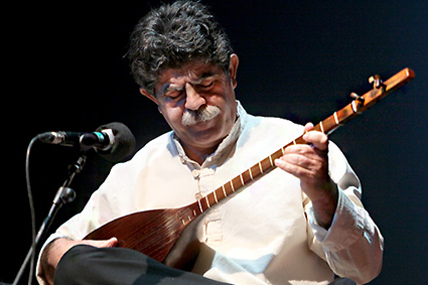
Tanbur
Comments
Sign in to commentNo comments yet. Be the first.