63 – Sarukhani
2 views · Jan 19, 2015
Range: A, B, C, D, E♭, F (F♯), G (G♭), A♭, B (B♭), C, D♭.
Variable notes: D, F, G, B.
Time signatures in the metric sections: 2/4, 7/16.
Lavach (sections): Opening of the maqam, first avaz (unmetered vocal section), first zemzemeh (humming passage), second zemzemeh, forud (cadence), second avaz, third avaz, third zemzemeh, forud, fourth zemzemeh, forud, fourth avaz, fifth zemzemeh, forud and end of the maqam.
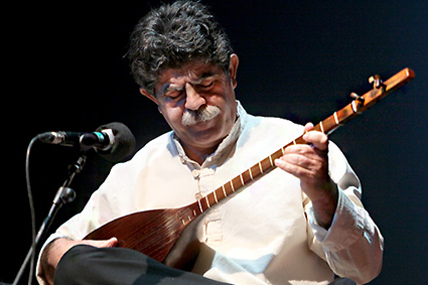
Tuning: Panj Dastan or Tarz (C, C, F).
This maqam is one of the majlesi maqams, the secular melodic-modal pieces of the tanbur repertoire played at gatherings, and it has an epic character. Heydar Kaki believes that, according to one account, this maqam was the song of a man named Sarukhan, or else that someone called Sarukhani performed it best and, to the accompaniment of this maqam, recounted the great deeds of warriors (as in the gosani art of the Parthian minstrels). The lavach (sections) of this maqam are as follows: 1- Opening of the maqam 2- First avaz 3- First zemzemeh 4- Second zemzemeh 5- Forud 6- Second avaz 7- Third avaz 8- Third zemzemeh 9- Forud 10- Fourth zemzemeh 11- Forud 12- Fourth avaz 13- Fifth zemzemeh 14- Forud and end of the maqam.
This maqam is vocal and in free metre; it is sung like hureh (an ancient Kurdish unmetered vocal genre), and the vocal technique of “yodel” is also used in it. Parts of this maqam are performed metrically, in simple and limping (asymmetric) rhythmic cycles. The range of this maqam is one octave; its core is performed on the three notes “D, E♭, F”, and its shahed (focal note) is E♭.
According to Ali Akbar Moradi, too, this maqam was used to sing poems that were mostly in praise of heroes. This proves that the poems varied and that they can be changed within the framework of the maqams’ raison d’être. It is very interesting that the poem of the maqam is spoken by Bizhan, without his name being mentioned. Bizhan even foretells his own death in the service of Kay Khosrow. A Bizhan, to be sure, who also has mystical states in the pit. The poem is transmitted from Abbas Kerendi.
People
Tanbur
Comments
Sign in to commentNo comments yet. Be the first.