04 – Maqam (Tarz) Hay Lava (“Lulla, Lullaby”)
1 view · Jan 19, 2015
Range: E, F, G, A (and A♭).
Variable notes: A.
Tuning: Haft Dastan or Barz (C, C, G)
It is one of the kalam maqams (the sacred melodic-modal pieces of the tanbur repertoire) and is played in the Barz tuning. Chromatic semitones also play an important role in this maqam. According to Heydar Kaki, “Although this maqam has a free meter, it contains faint 2-beat and 3-beat meters that can be heard in its melodies.”
Sheykh Amir, from whose book the poem of this maqam comes, is one of the later figures of the Ahl-e Haqq sect and was born in the first half of the eleventh century AH (c. 1590–1640 CE). He left behind a book containing Ahl-e Haqq kalams as well as wisdom, sermons, gnosis and commentary on the mystical terms of the Yarsan (Ahl-e Haqq) creed. According to the writings of Ali Akbar Moradi, this maqam is a kind of lullaby that, during Soltan Sahak’s infancy, his companions – Pir Benyamin, Pir Musi and Davud, who were the angels accompanying the Soltan – sang as they circled around him like moths, so that he would fall asleep. Apart from Yarsan beliefs, however, it should be said that Soltan Sahak’s father, named Isa Barzanjei, was a dervish of the Qaderi order who had disciples and a khanqah (Sufi lodge), so it is not unlikely that his disciples sang lullabies for his child. But what is truly remarkable is the text of this lullaby and its teachings for the child. The text of the lullaby counsels the child to be free of the world, to be spiritually minded and to endure the hardships of life.
People
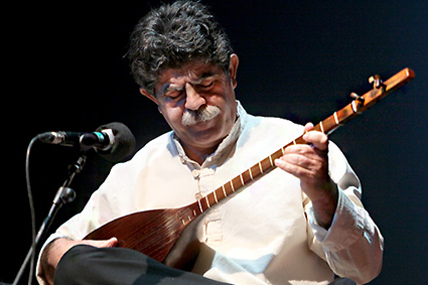
Tanbur
Comments
Sign in to commentNo comments yet. Be the first.